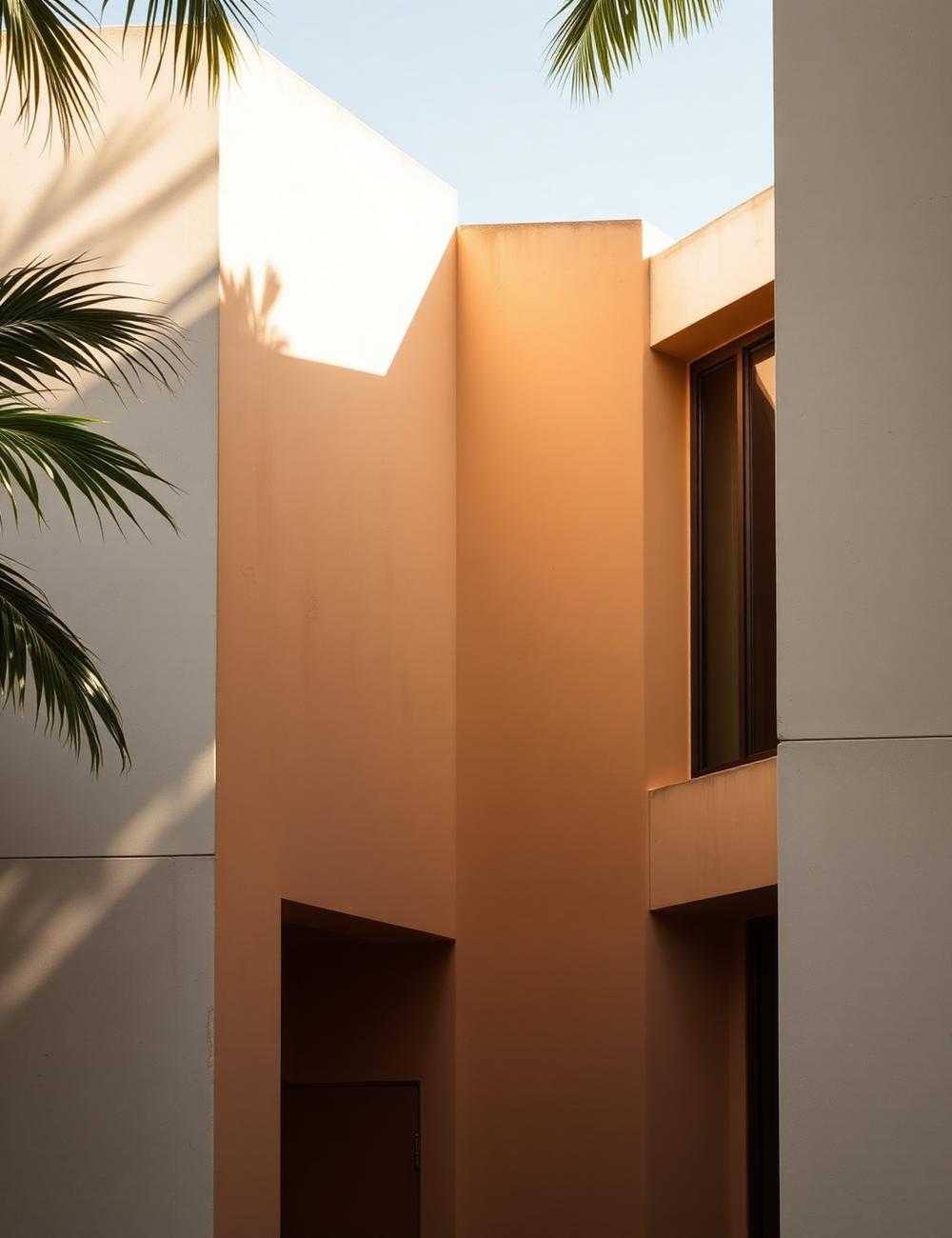
Lagos is not a backdrop. It is a working city of ateliers, cutters, beaders and finishers — some in glass-fronted studios, most behind unmarked doors — producing work at a standard that would be at home on any couture floor in the world.
01
The place

Lagos at the end of the day. Prototype imagery.
Morning traffic, a generator somewhere, the radio through a window. The studio opens early because the light is better before eleven.
02
The person
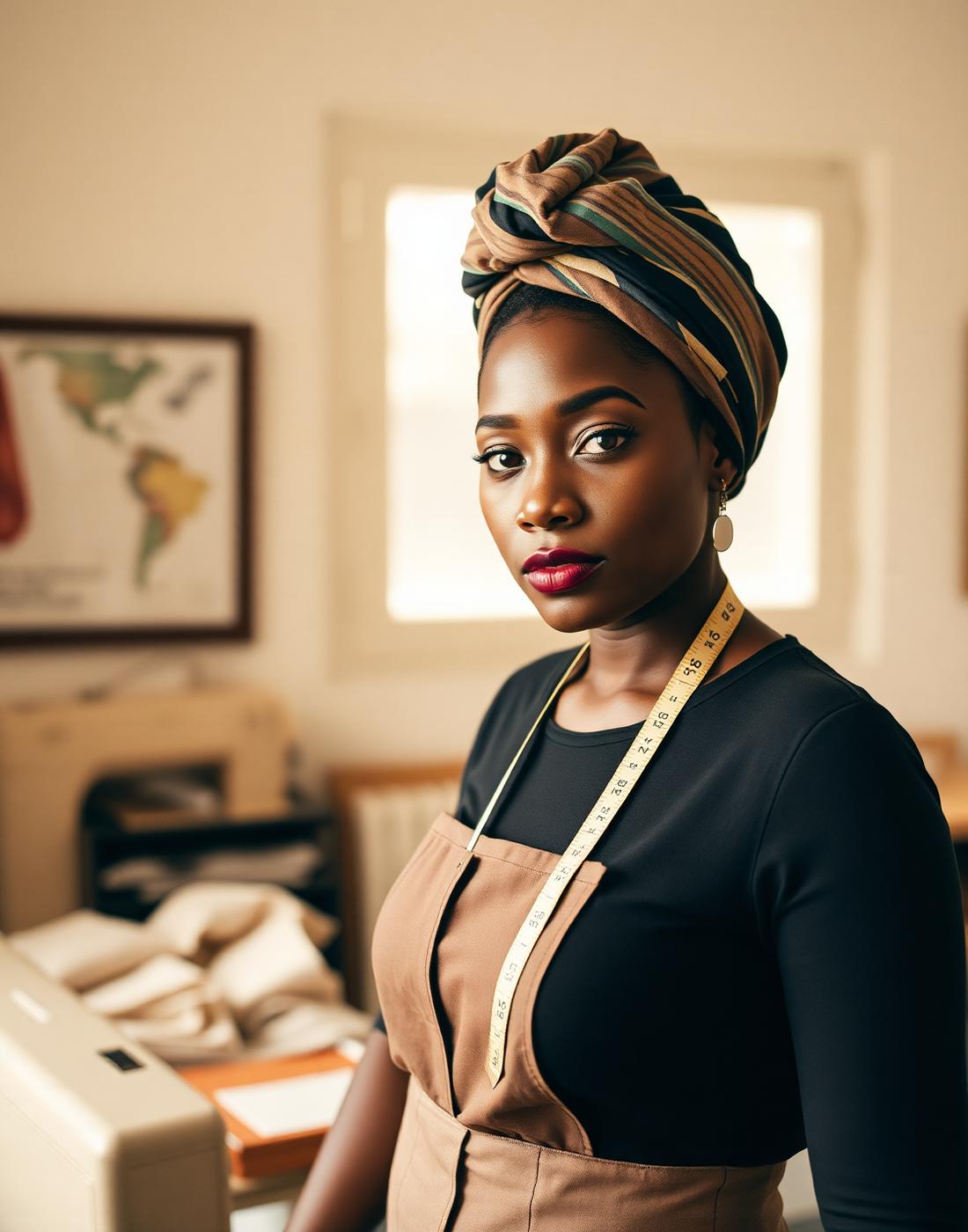
A master tailor in her workroom. Prototype portrait; identity withheld.
She trained under a tailor who trained under a tailor. Twenty-two years of cloth. Her specialism is structure — bodices that hold their shape without punishing the person wearing them. She works with VIA on a handful of commissions a season, and no more.
03
The craft
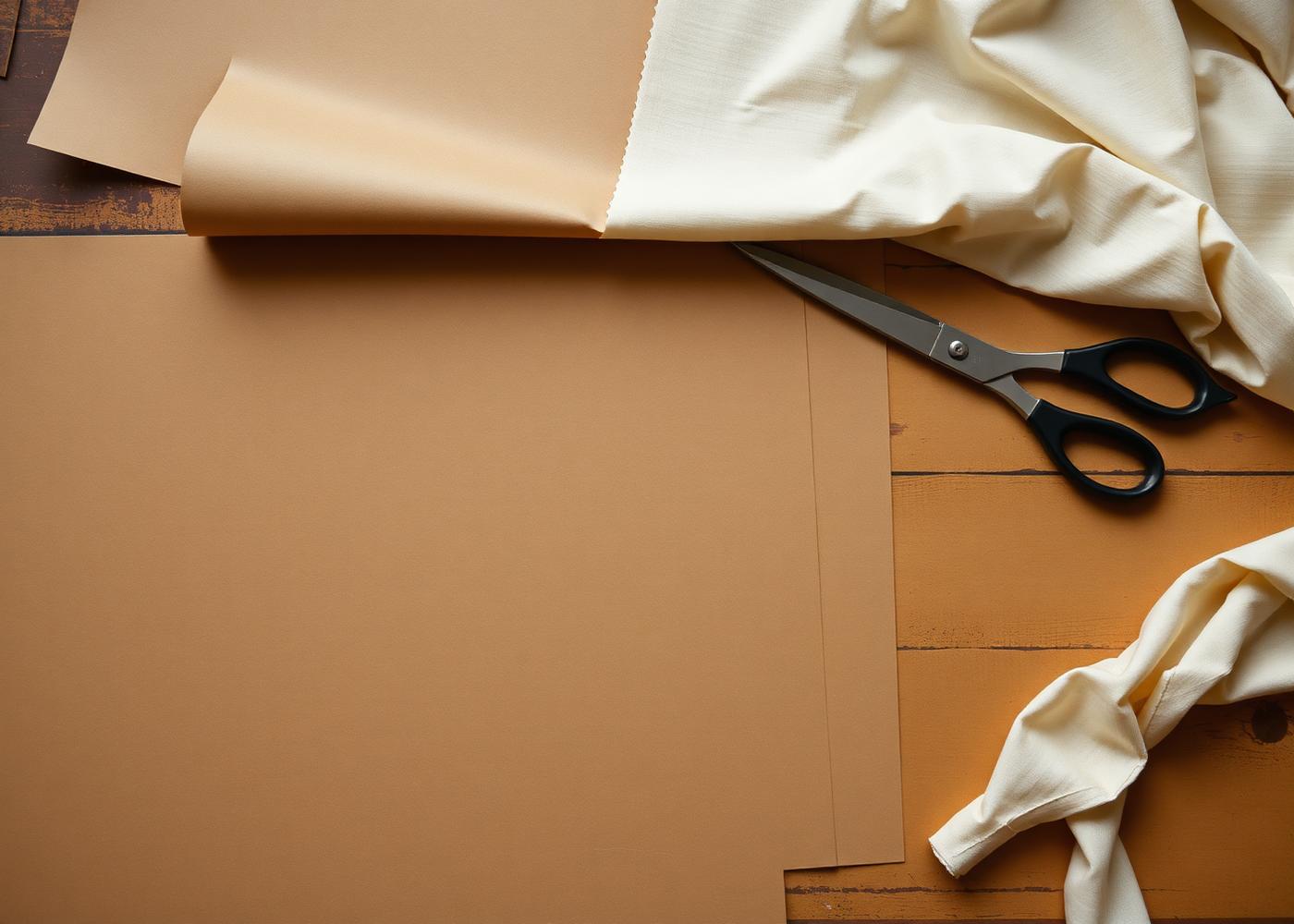
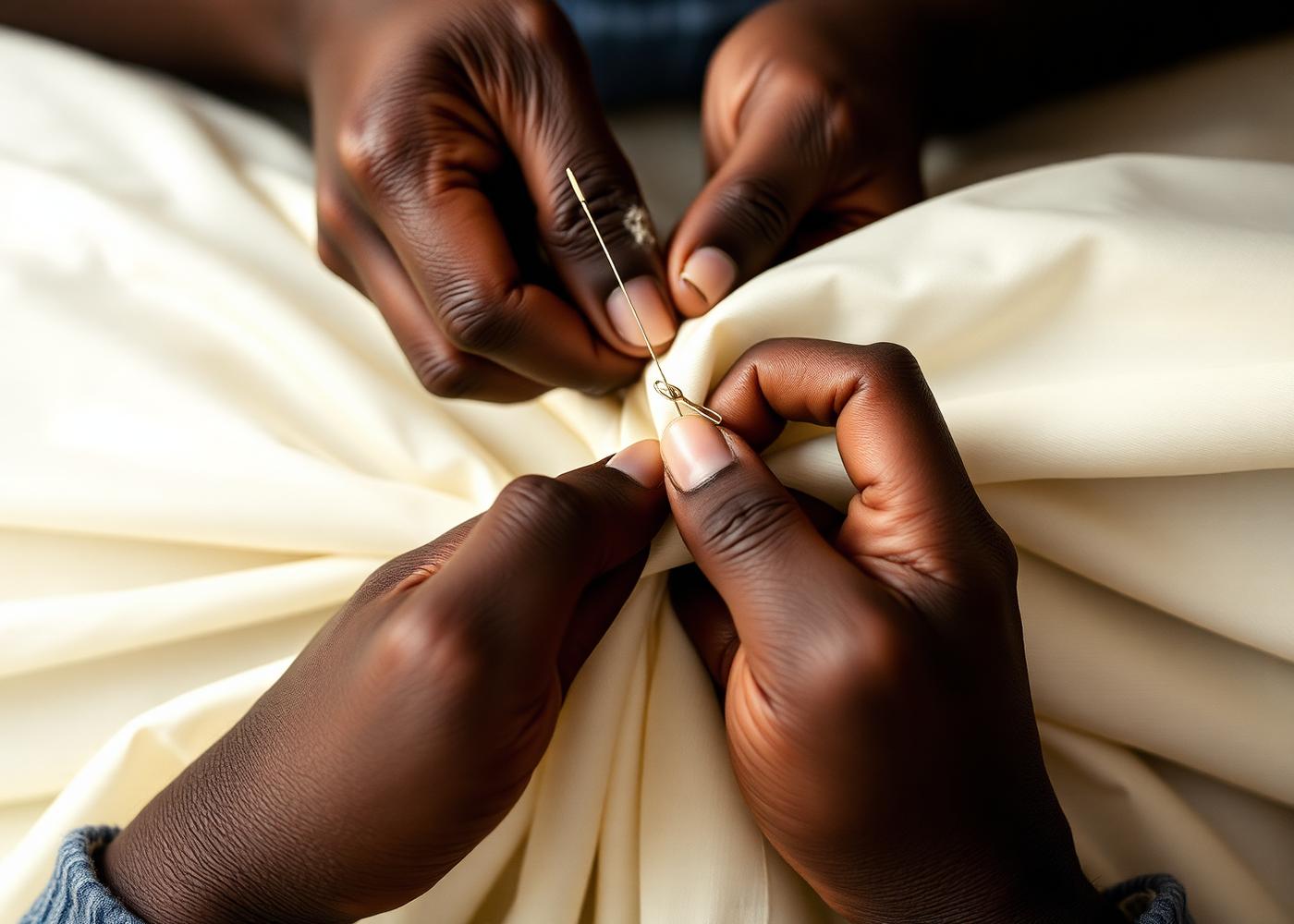
Pattern, then hand. Prototype imagery.
A pattern is drafted flat, then argued with on the stand. Seams are basted by hand before anything is committed to a machine. The finishing — the part nobody photographs — takes longer than the construction.
04
The material
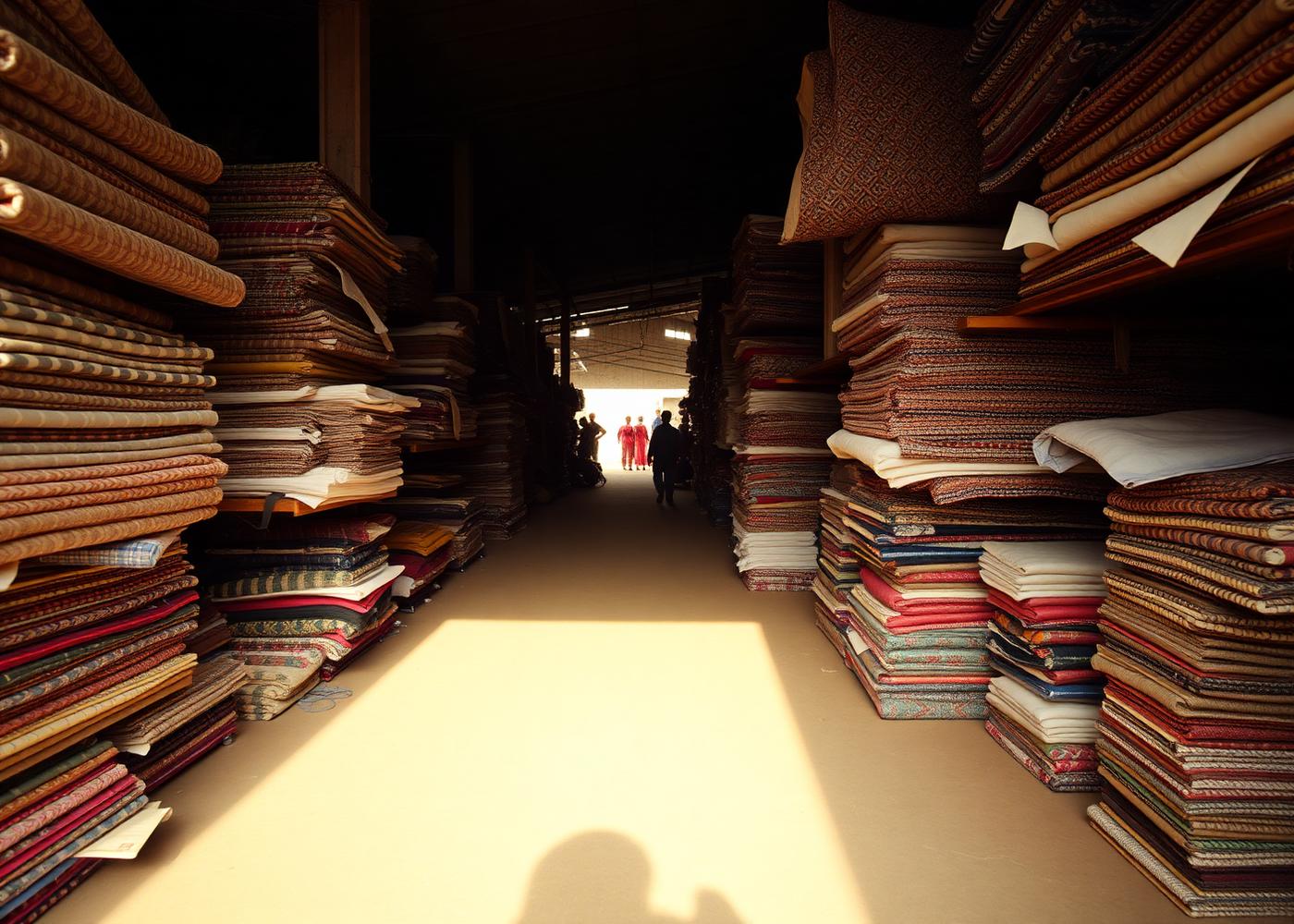
The fabric market. Prototype imagery.
05
The process
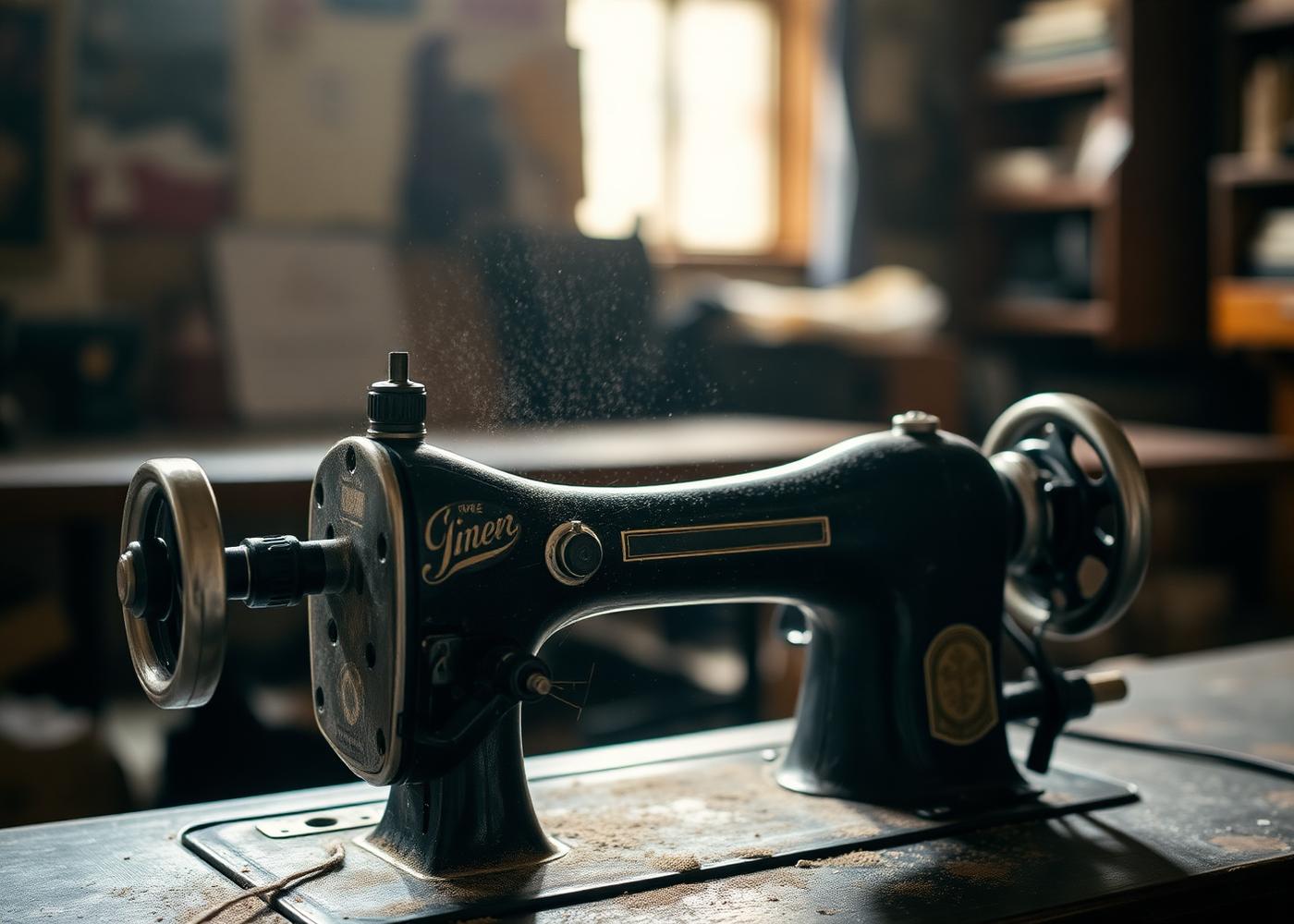
Film: the workroom at 8am. Documentary footage to be supplied.
06
The piece

The finished commission. Prototype imagery.
“Before a garment becomes yours, it passes through many hands.”
Prototype editorial copy
07
The client
It arrives folded in tissue, in another city, in another season. Nobody in the room where it is worn will know how it was made. She will.
“Made somewhere. Made by someone. Made for you.”